
Cast Iron Dosa Pan vs Iron Dosa Tawa: Which One Really Makes Better Crispy Dosa’s?
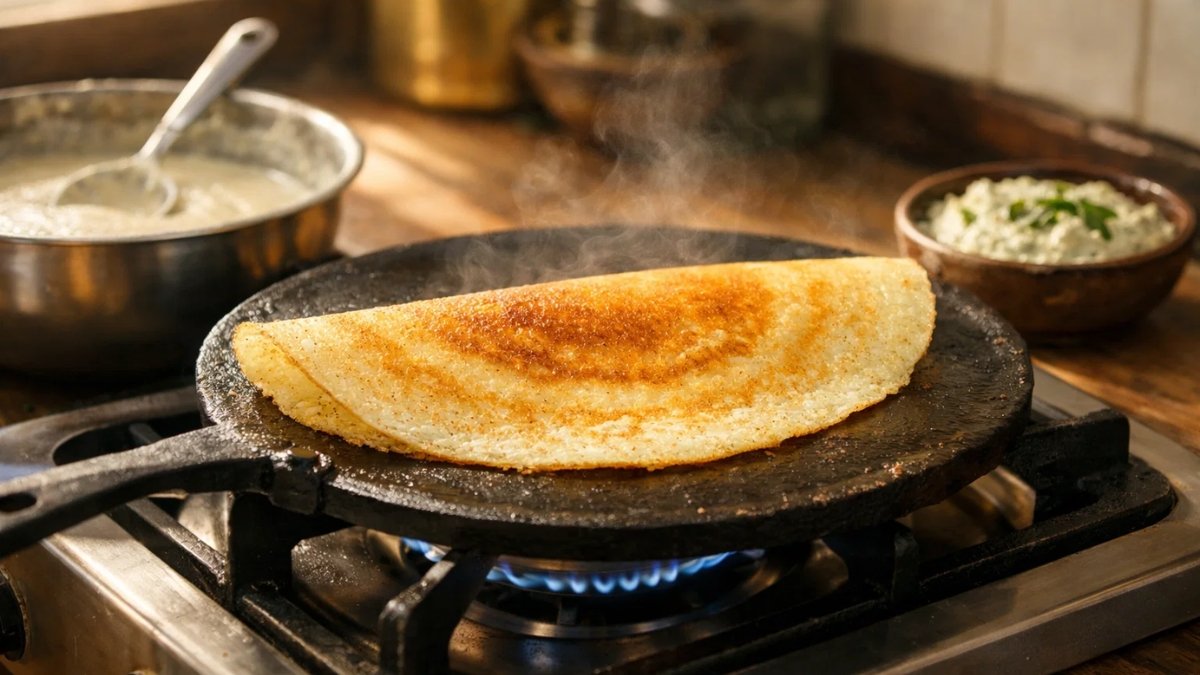
Anyone who loves dosas knows the feeling. You spread the batter, wait for the bubbles, drizzle oil, and hope for that gentle crackle when the edges lift. Some days it works beautifully. Other days, the dosa sticks turn pale or come off in pieces.
Most people blame the batter. But after years of cooking dosas at home, one thing becomes clear: the pan decides the result more than anything else.
If you’re confused between a cast-iron dosa pan and a normal iron dosa tawa, you’re not alone. Both are popular. Both look similar. And both claim to make crispy dosas. But in daily kitchen use, they behave very differently.
Let’s talk about what actually happens on your stove.
Why Dosa Needs the Right Surface
A dosa isn’t just cooked, it’s dried slowly on heat. The batter spreads thin, water evaporates, and starch turns crisp. If the heat is uneven or drops suddenly, the dosa stays soft in some places and burns in others.
A good pan should:
- Stay hot when the batter touches it
- Heat the entire surface evenly
- Allow smooth spreading
- Release the dosa without tearing
That’s where the difference between cast iron and iron shows up.
Living With a Cast Iron Dosa Pan
A cast-iron dosa pan is thick, heavy, and solid. It’s made by pouring molten iron into a mould, which gives it a dense body. When you lift one, you immediately feel the weight.
At first, cast iron feels slow. It takes a few minutes to heat properly. But once it gets hot, it stays hot.
In real cooking terms, that means when you pour batter, the pan doesn’t cool down suddenly. The dosa starts cooking the moment it touches the surface. You see tiny holes forming, the edges slowly drying, and the color changing evenly.
After seasoning, cast iron also becomes naturally non-stick. You don’t need to drown the pan in oil. The batter spreads smoothly and lifts cleanly once cooked.
Another thing people notice with cast iron is consistency. Your first dosa and your fifth dosa look almost the same. The heat doesn’t play games.
Yes, it’s heavy. Yes, it needs care. But once it settles into your kitchen, it feels dependable.
Cooking on a Traditional Iron Dosa Tawa
An iron dosa tawa is usually made from rolled iron sheets. It’s thinner and lighter. Many street vendors use it because it heats quickly and is easy to move.
At home, the iron tawa feels responsive. You turn on the flame, and it’s ready quickly. That sounds nice, but there’s a small problem. When you pour batter, the surface temperature drops immediately. So sometimes the dosa spreads but doesn’t start cooking fast enough.
You may notice pale centers, darker edges, or sticking in random spots. Then you adjust the flame, add oil, wipe again, and try to fix it.
An iron tawa can make crispy dosas, no doubt. But they need more attention. If you walk away for a second or misjudge the heat, the result changes.
They’re good for speed, but they’re not very forgiving.
What Happens to Crispiness
Crisp dosa is about evaporation. The water in the batter has to leave slowly and evenly. That’s what creates the light crunch.
Cast iron holds heat. So moisture escapes steadily across the whole surface. The dosa dries evenly, turns golden, and becomes crunchy without burning.
An iron tawa loses heat faster. So some parts dry faster than others. You get crisp edges but a softer middle, unless your flame control is perfect.
In everyday kitchens, cast iron usually wins here.
Spreading and Sticking
Anyone who makes dosa regularly knows the fear of sticking. You spread beautifully, wait, and then the dosa tears when you try to lift it.
With cast iron, once it’s seasoned, the surface gets smoother over time. Batter doesn’t grip hard. Even thin dosas come off in one piece.
Iron tawa works well when freshly oiled, but the non-stick effect fades quicker. You often need more oil, more wiping, and more patience.
For people cooking daily, cast iron feels less stressful.
Speed vs Stability
Iron tawa heats quickly. That’s its biggest advantage. If you’re making many dosas fast, it saves time.
Cast iron takes longer to warm up, but once it’s ready, you don’t keep adjusting the flame again and again.
So it’s really a choice between fast response and steady performance.
At home, most people prefer steady.
Which One Feels Better for Home Cooking?
In a home kitchen, you’re not running a stall. You’re cooking for family, guests, or yourself. You want the dosa to look nice, taste right, and come out the same every time.
That’s where cast iron shines. It’s calmer. Predictable. Less moody.
Iron tawa is useful, but it behaves more like a racing bike. Great in skilled hands, but tricky for beginners and busy mornings.
Small Tips That Improve Any Dosa
No pan can fix bad habits, so remember:
- Always preheat properly.
- Wipe with an oiled onion before pouring batter.
- Pour from outside to center.
- Keep flame medium, not high.
- Let the dosa release naturally before lifting.
These little things matter more than expensive equipment.
Final Thoughts
Both cast-iron dosa pans and iron dosa tawas are part of Indian kitchens for a reason. Each has its place. Iron tawa is quick and light. Cast iron is steady and reliable.
But when the real question is crispy, evenly cooked dosas, the answer becomes simple.
A cast-iron dosa pan gives better control, better texture, and better consistency for everyday home cooking.
It takes a little patience in the beginning, but once it becomes part of your routine, you stop fighting with your pan and start enjoying the dosa again.
And honestly, that quiet crunch when you fold a dosa on the plate?
That’s usually cast iron doing its job.
Tags
What do you think?
Related Articles
Why We Choose a Cast Iron Dosa Tawa for Everyday Cooking
In many Indian homes, the kitchen is more than just a place to cook; it’s where traditions quietly live on. One such tradition that has