
Why We Choose a Cast Iron Dosa Tawa for Everyday Cooking
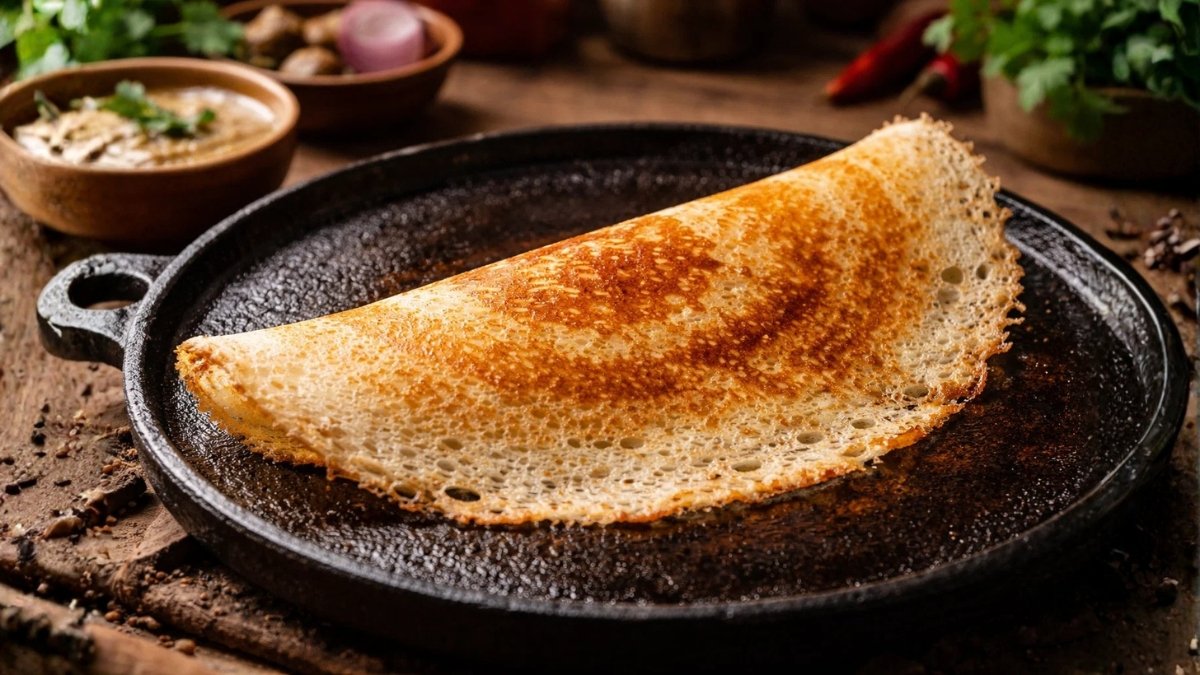
In many Indian homes, the kitchen is more than just a place to cook; it’s where traditions quietly live on. One such tradition that has stood the test of time is cooking dosas on a cast-iron dosa tawa. Even with so many modern cookware options available today, non-stick, ceramic-coated, granite finish, people are slowly returning to cast iron. And honestly, there are good reasons why.
If you’ve ever tasted a perfectly crisp dosa with soft edges and that unmistakable earthy aroma, chances are it was made on a cast-iron tawa. This blog explores why we choose a cast-iron dosa tawa, what makes it special, and why many consider it the best investment for dosa lovers.
1. The Authentic Taste You Simply Can’t Fake
Let’s start with the most obvious reason: taste.
A cast-iron dosa tawa distributes heat evenly and holds it for a long time. This steady heat is what gives dosas that golden-brown color and crispy texture without burning. Unlike lightweight pans that cool down quickly, cast iron maintains a consistent temperature, allowing the batter to cook slowly and evenly.
Many people who switch back from non-stick often say the same thing:
“The dosa just tastes better.”
That slightly smoky flavor and crisp base is something only cast iron can deliver. This is why traditional South Indian households have always relied on cast iron for dosa, roti, and adai.
2. Health Benefits That Improve Over Time
One underrated benefit of using a cast-iron dosa tawa is its health value.
When you cook regularly on cast iron, small amounts of iron naturally leach into the food. This can be especially helpful for people with low iron levels. Unlike chemical coatings that wear off, cast iron actually becomes better with age.
Over time, a well-seasoned tawa develops a natural non-stick surface, without any harmful coatings. This means:
- Less oil needed
- No toxic fumes
- No coating peeling into your food
For families trying to cook cleaner, safer meals, a cast-iron dosa tawa is a smart choice.
3. Built to Last for Decades
If you’re tired of replacing pans every year, cast iron is a refreshing change.
A good-quality cast-iron dosa tawa can last 20–30 years or more if cared for properly. Many homes still use tawas passed down from parents or grandparents. That alone says a lot about durability.
Yes, cast iron is heavier than modern pans, but that weight is what gives it strength and heat retention. It doesn’t warp, chip, or scratch easily. One purchase can genuinely last a lifetime.
This long lifespan is why many people confidently search for the best cast-iron dosa tawa instead of cheaper alternatives.
4. Why a Cast Iron Dosa Tawa with Handle Makes Life Easier
Traditional flat tawas are great, but modern cooking needs a little convenience too. That’s where a cast-iron dosa tawa with a handle comes in.
The handle:
- Makes lifting and moving the tawa safer
- Gives better control while cooking
- Reduces the risk of burns
- Helps while seasoning and cleaning
Especially for beginners, a handle makes cast iron much easier to manage. Whether you’re flipping dosas, cleaning the pan, or storing it away, the handle adds comfort without compromising authenticity.
5. Naturally Non-Stick (If You Season It Right)
One common myth is that cast iron sticks too much. The truth?
It only sticks if it’s not seasoned properly.
Seasoning is the process of coating the tawa with oil and heating it so the oil bonds to the surface. Once done well and maintained regularly, the surface becomes smooth and naturally non-stick.
With regular use:
- Batter spreads easily
- Dosas release without effort
- Cleaning becomes simple
Many experienced cooks say their cast-iron dosa tawa works better than non-stick after a few months of use.
6. Ideal for More Than Just Dosa
Another reason why we choose cast iron is versatility.
A cast-iron dosa tawa isn’t limited to dosas alone. You can use it for:
- Uttapam
- Adai
- Chilla
- Roti and paratha
- Toasting bread
- Shallow-frying cutlets
This makes it a multipurpose cookware item, especially useful for daily Indian cooking.
7. Eco-Friendly and Sustainable Choice
In a time when sustainability matters, cast iron stands out.
There’s:
- No chemical coating
- No plastic components
- No frequent replacement
Choosing cast iron reduces waste and supports long-term use. It’s one of the most eco-friendly cookware options available today.
8. How to Choose the Best Cast Iron Dosa Tawa
If you’re planning to buy one, here are a few tips to help you find the best cast-iron dosa tawa:
- Thickness: Thicker tawas retain heat better and last longer
- Smooth surface: Pre-seasoned or machine-finished surfaces are beginner-friendly
- Handle quality: A sturdy handle makes a big difference
- Weight balance: Heavy, but not uncomfortable to lift
Investing in a good-quality tawa once is better than buying cheap pans repeatedly.
9. A Small Learning Curve, Big Long-Term Reward
Yes, cast iron requires a little care:
- Dry it immediately after washing
- Apply a thin layer of oil after use
- Avoid soaking in water for long
But once it becomes part of your routine, it’s effortless. And the reward, better taste, healthier food, and long-lasting cookware, is well worth it.
Final Thoughts
We choose a cast-iron dosa tawa not just because it’s traditional, but because it simply works better. From superior taste and health benefits to durability and sustainability, it ticks every box for everyday cooking. Whether you’re upgrading your kitchen or rediscovering traditional cookware, a cast-iron dosa tawa, especially a cast-iron dosa tawa with a handle, is a choice you won’t regret. And once you experience dosas made on the best cast-iron dosa tawa, there’s really no going back.
Tags
What do you think?
Related Articles
Cast Iron Dosa Pan vs Iron Dosa Tawa: Which One Really Makes Better Crispy Dosa’s?
Anyone who loves dosas knows the feeling. You spread the batter, wait for the bubbles, drizzle oil, and hope for that gentle crackle when the